A New Investment Era for Suriname
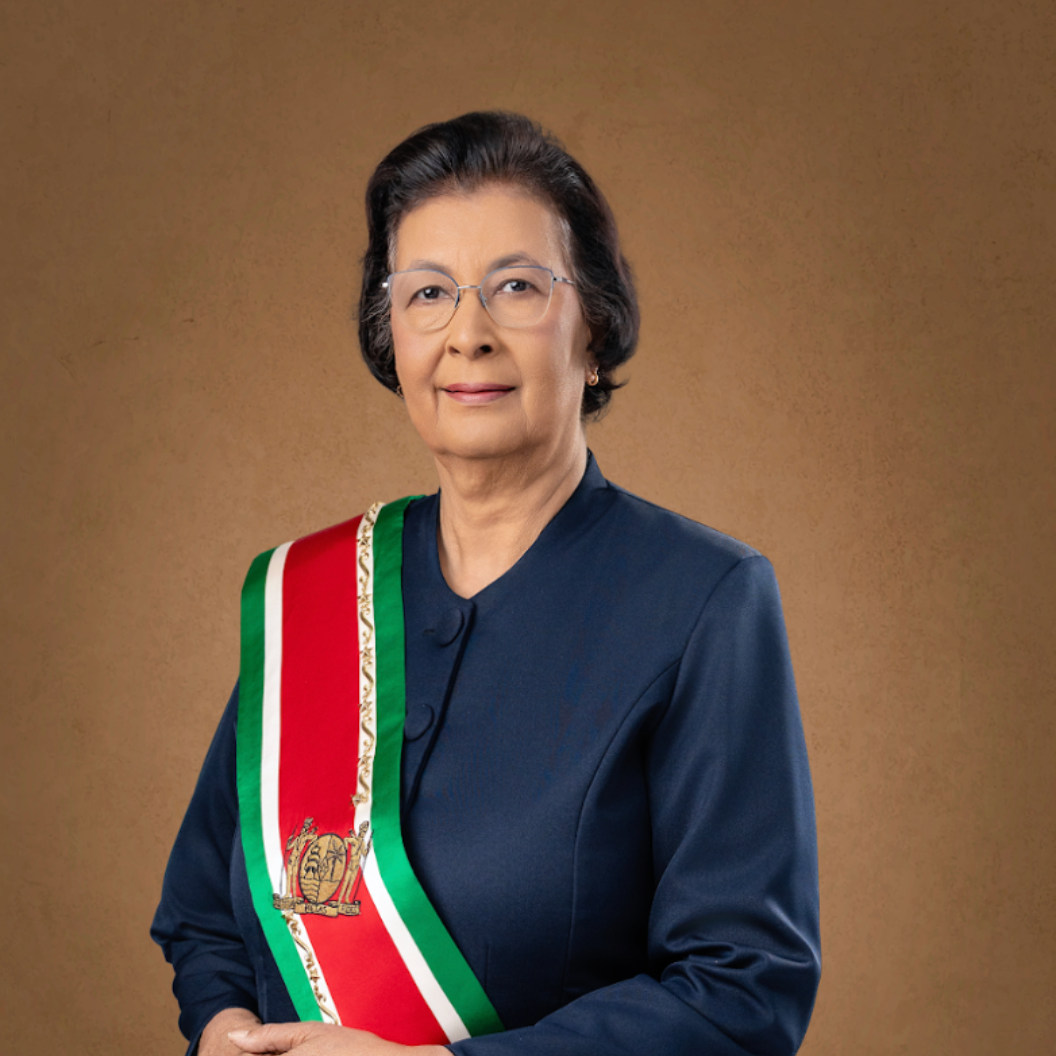
H.E. Dr. Jennifer Geerlings-Simons, President of the Republic of Suriname
In July 2025, you made history by becoming Suriname’s first female President. As you steer the nation into this new chapter, what are your primary priorities to ensure political stability translates into tangible economic confidence for international investors?
Maintaining economic stability is the first priority, investors look for stability above all else. After several difficult years, Suriname has begun to see growth, and we are working to strengthen that progress.
We are focused on improving the structure and transparency of government, reinforcing macroeconomic stability, and growing national income beyond commodities. We want to diversify the economy by advancing education, expanding opportunities in the wood sector, and attracting investment in agriculture, infrastructure, and eco‑tourism.
At the same time, we are modernising our tax system to make it more attractive for investors while ensuring it generates sufficient revenue for the country.
Following the conclusion of the IMF’s Extended Fund Facility in March 2025, Suriname has seen stabilisation across key fiscal metrics, with GDP growth projected between 2.7% and 3.2% for 2025. Looking ahead, what fiscal and structural reforms will your administration prioritise to maintain this trajectory?
We intend to deepen reforms that support growth and improve the investment climate. A key focus is increasing export earnings and ensuring more value is retained in the country, while accelerating diversification.
Our priorities for the near term include agriculture, infrastructure, and tourism, alongside productive sectors such as housing and construction.
We are also strengthening the energy agenda, including gas‑to‑energy, and preparing for a stronger, more competitive economy in the years ahead.
With the Final Investment Decision secured for the US$10.5 billion GranMorgu development in Block 58, and first oil expected by 2028, how is your administration shaping the regulatory and commercial framework to attract new capital into oil and gas while ensuring long‑term national benefit?
Suriname already has a relatively well‑established framework supported by our state oil company.
The core priority now is governance, ensuring future revenues are managed responsibly to avoid instability and ‘Dutch disease’. We have sovereign wealth fund legislation in place, established in 2017 and later adjusted. We are improving it again, including changes following the removal of the escrow arrangement for royalties.
Our aim is to finalise updated legislation within this year, with clear mechanisms for receiving, investing, and managing revenues so that the funds are used productively, profitably, and for the benefit of future generations.
Suriname’s vast forest cover and environmental commitments position the country to benefit from carbon markets and sustainable tourism. How are you integrating sustainable investment into the broader economic strategy, and what opportunities exist for investors?
We are actively exploring carbon credit opportunities, including with international partners.
Our forests and nature are integral to our development agenda and create strong prospects for eco‑tourism and adventure tourism. We welcome companies and investors in tourism and related sustainable sectors, and we see these areas as complementary to long‑term diversification.
As Suriname deepens its ties within CARICOM and strengthens trade links with South America, where do you see the most immediate untapped opportunities for cross‑border investment and regional collaboration?
We have already begun discussions with neighbouring countries and partners in the region. Cross‑border opportunities are particularly strong in large‑scale agriculture projects, as Suriname has significant land resources, and there are also opportunities to exchange and connect tourism markets.
The Caribbean has strong beach tourism, while Suriname offers a different proposition, with nature‑based experiences, so we are looking at ways to create complementary flows. Infrastructure connectivity is also on the agenda, including discussions related to improved links towards northern Brazil.
We hope to be more concrete on regional initiatives within this year.
What additional message would you like to share with international investors looking at Suriname today?
Beyond diversification, we are open to investment in renewable energy, especially solar, to improve our energy mix.
Suriname already benefits from relatively green hydro resources, but we also rely on heavy fuels, and we want to increase solar capacity.
We are also prioritising education and skills development. In recent years, education has not received sufficient investment, but as the oil economy approaches, Suriname must ensure its people are prepared.
We are expanding training for young people, supporting those who dropped out, and developing hospitality education to strengthen the workforce that will drive the next phase of economic growth.
The full Suriname report is now available online
here